Once the spiritual center of the Rasta lifestyle is understood, the next question ital living and natural wellness naturally follows: how does that spiritual center shape the body? In Rastafari, the body is not treated as a separate machine that can be neglected while the spirit is honored. Nor is health reduced to fashion, trend, or shallow wellness language. Instead, the body is approached as part of the whole life. What is eaten, what is avoided, what is repeated daily, how rest is treated, and how nature is allowed to support the body all become part of a disciplined way of living.
This is where Ital living comes into view. Ital is one of the most recognizable elements of Rasta culture, yet it is also one of the most misunderstood. Many people reduce it to a diet label, a category of Caribbean cooking, or a simple list of permitted and forbidden foods. But in the deeper sense, Ital is not just about what appears on a plate. It is about vitality, purity, simplicity, intention, and the effort to live in a way that supports clarity rather than dullness.
To understand Ital properly, one has to move beyond nutrition charts and trend-based food language. Ital belongs to a worldview. It reflects the belief that life is sacred, that what enters the body affects the quality of consciousness, and that many modern habits weaken people by disconnecting them from the natural order. In that sense, Ital is a spiritual and practical answer to a world filled with overprocessing, overstimulation, and excess consumption.
Natural wellness in the Rasta tradition extends beyond food as well. Herbal knowledge, roots tonics, fresh air, movement, sunlight, rest, and simplicity all play a role. These practices do not emerge from a random collection of folk customs. They arise from a deeper conviction that the human being is most whole when living in greater harmony with nature and with a more disciplined awareness of what nourishes life.
This part of the Rasta Lifestyle Guide looks closely at how Ital living and natural wellness function as daily expressions of livity. It asks what Ital really means, why food is moral as well as physical, how herbal wisdom fits within the culture, and why simplicity itself can be a form of healing in an age built around overconsumption.
What Ital Really Means
The word Ital is often associated with natural, plant-based, and minimally processed food, and that is certainly part of its meaning. But the deeper force of the term comes from the idea of vitality. Ital points toward what is living, clean, nourishing, and less burdened by the artificial habits of industrial consumption. It carries an ethical and spiritual tone as much as a nutritional one.
Purity, Vitality, and Naturalness
Ital living is rooted in the desire to eat in a way that supports life rather than diminishing it. That means choosing foods that are closer to their natural state, less altered, less chemical, and less entangled with habits of excess. The goal is not perfection for display. The goal is vitality. In the Rasta worldview, what one consumes affects more than the body’s immediate condition. It also influences energy, clarity, steadiness, and spiritual atmosphere.
This naturalness matters because many modern food systems prioritize shelf life, speed, stimulation, and profit over genuine nourishment. A person may consume plenty and still feel depleted. They may have access to endless products and yet remain physically burdened and spiritually dulled. Ital living resists this pattern by returning attention to what is simpler and more life-giving.
Purity in this context does not mean obsession or fear. It means discernment. It means asking whether a thing is feeding strength or weakness, clarity or confusion, life or heaviness. That question can be applied to food, drink, habits, and environments alike.
Ital as a Philosophy, Not Just a Menu
One of the most important truths about Ital is that it should not be reduced to recipe type. It is not simply a collection of dishes, though many beautiful and nourishing dishes come from it. Ital is a way of understanding nourishment itself. It assumes that the act of eating can either support or interfere with right living. It teaches restraint, gratitude, and attentiveness.
This makes Ital different from many modern food trends that focus only on body image, quick outcomes, or personal branding. The Rasta approach is less concerned with food as performance and more concerned with food as alignment. A person may eat simply and still be richly nourished. Another may eat lavishly and still remain unsettled. Ital challenges the assumption that more is always better.
The philosophy of Ital also slows the person down. It encourages awareness of ingredients, methods, and intention. It reminds the eater that food is not just something to seize quickly between distractions. It can be approached with reverence, with care, and with a sense that life is being sustained by what is being received.
Traditional Patterns of Ital Living
While Ital practice can vary from person to person, some broad patterns are widely associated with it. These include a preference for plant-based foods, fresh ingredients, minimal processing, and a general suspicion of heavily artificial or overly stimulating consumption. But to truly appreciate these patterns, it helps to understand what they are trying to protect.
Plant-Based Eating and Simplicity
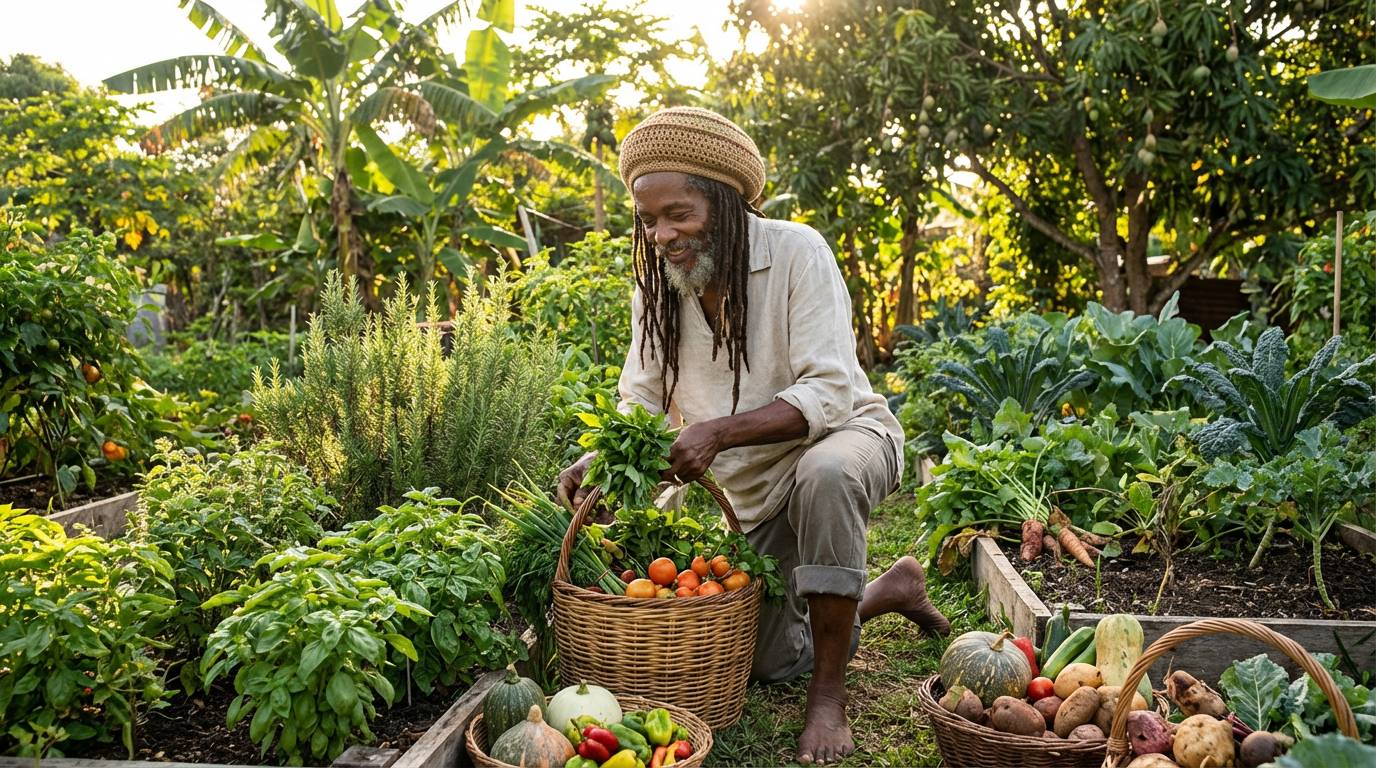
Plant-based eating is often central to Ital living because it supports a simpler and more natural approach to nourishment. Fruits, vegetables, legumes, grains, roots, and fresh herbs are valued not only for their nutritional qualities, but for their closeness to life. They reflect a way of eating that is less dependent on industrial complexity and more connected to the earth.
This simplicity is spiritually significant. It suggests that richness does not have to come from excess, heaviness, or over-seasoned stimulation. A meal can be satisfying without being violent to the body. It can nourish without overwhelming. It can support steady energy rather than dramatic highs and crashes.
In many modern food environments, complexity is often confused with quality. More additives, more sugar, more processing, more packaging, and more intensity are treated as improvements. Ital living questions that entire direction. It proposes that one route back to health is not adding more, but removing what dulls the body and returning to foods that remain closer to their living form.
Seasonal and Local Rhythms
Another important aspect of traditional Ital living is a respect for what is available in season and what can be gathered or prepared more locally. This reflects both practicality and philosophy. Seasonal eating places the person back into relationship with natural cycles. It softens the illusion that all food should be available at all times in all forms regardless of climate, place, or cost.
To eat seasonally is also to remember that life has rhythm. Not everything is meant to be permanently accessible. Different foods carry different strengths at different times. This perspective encourages gratitude, patience, and attention rather than constant demand.
Local or less industrial sources of food can also deepen the relationship between nourishment and place. When food is less abstract, less anonymous, and less removed from the earth, it is harder to consume it carelessly. The eater becomes more aware of the chain of life that sustains them.
Cooking With Intention
Ital living also changes the emotional meaning of cooking. Food preparation is not only about efficiency. It can be an act of care, mindfulness, and order. Chopping vegetables, simmering a pot slowly, blending herbs, and combining fresh ingredients all encourage the person to move more deliberately. In this way, cooking itself becomes part of livity.
Intentional cooking stands against the frantic rhythm of grab-and-go consumption. It creates a small sanctuary of attention in a world that rewards haste. Even simple meals, when prepared with gratitude and calm, can carry a different feeling. The point is not culinary perfection. The point is presence.
This is especially meaningful because the state of the person preparing food often enters the atmosphere of the meal. Careless, angry, or distracted preparation can affect more than taste. By contrast, cooking with steadiness and respect reinforces the connection between inner life and nourishment.
Core Features of Ital Living
- Preference for fresh, natural, and minimally processed foods.
- Plant-based traditions centered on vitality rather than heaviness.
- Respect for seasonal rhythm and closer relationship to the earth.
- Cooking as a mindful act rather than hurried consumption.
Herbs, Bush Wisdom, and Natural Remedies
Alongside food, herbs hold a respected place in many expressions of Rasta wellness culture. This herbal dimension reflects older traditions of plant knowledge, observation, and practical care. It also reveals a broader confidence in nature’s ability to support the body when approached with understanding and respect.
Herbal Knowledge in Everyday Life
In many Caribbean traditions, plants are known not only as ingredients but as helpers. Teas, tonics, roots, leaves, and natural infusions have long been used to support different aspects of health and balance. Within a Rasta context, this can include a practical trust in bush wisdom — the accumulated knowledge of how plants can be used to soothe, strengthen, cleanse, warm, settle, or restore.
The significance of this knowledge is not only medicinal. It also expresses a relationship to the earth that is observant and respectful. Rather than treating wellness as something always outsourced to industrial products, herbal wisdom reminds the person that nature itself contains forms of support, if one learns to pay attention.
This does not mean every plant should be used casually or without discernment. Traditional wisdom always depends on careful observation, responsible guidance, and practical knowledge. The deeper principle is that health is not imagined only through manufactured intervention. It can also be approached through living relationship with the natural world.
Roots Tonics and Restorative Traditions
Roots tonics hold a particularly strong place in the cultural imagination surrounding Rasta wellness. The very word “roots” carries double meaning here. It refers not only to ingredients drawn from the earth, but to the wider idea of returning to foundational strength. Tonics symbolize restoration, grounding, and the effort to draw vitality from deeper sources rather than superficial stimulants.
This symbolic quality matters. Modern culture often sells energy in frantic forms: sugar surges, synthetic boosts, or endless caffeine without balance. Roots traditions point in another direction. They suggest that strength should be cultivated, not whipped into artificial speed. They favor steadier restoration over harsh stimulation.
Even where specific recipes differ, the larger lesson remains clear: nature is not merely scenery. It is participant and teacher. The body can be supported by what comes from the earth when knowledge, patience, and respect guide the process.
Wellness Through Relationship With Nature
Herbal wisdom also teaches a wider lesson about healing. Many forms of modern wellness remain strangely detached from the natural world even when they claim to support health. They may focus only on products, routines, or self-improvement imagery. The Rasta approach is often broader. It encourages a relationship with sun, air, fresh food, rest, movement, and plants as part of one living system.
That relationship has spiritual implications. The more one experiences nature as companion rather than background, the harder it becomes to live entirely in artificial rhythm. The person begins to remember something older and steadier than the marketplace pace.
Caring for the Body as a Temple
In many spiritual traditions, the body is described as a temple, but those words can become hollow when they are repeated without practical meaning. In the Rasta lifestyle, the idea gains force because it is connected to habits. Caring for the body is not worship of appearance. It is stewardship. It reflects the belief that what carries life should not be treated carelessly.
Physical Health and Spiritual Clarity
One of the deep assumptions within Ital and natural wellness is that physical condition affects mental and spiritual clarity. A person who constantly overloads the body may find it harder to remain steady, focused, and calm. Heaviness can influence mood. Overstimulation can distort rhythm. Nutritional neglect can weaken patience and awareness. The body and spirit are not identical, but neither are they isolated.
This is why what one consumes matters beyond calories alone. The issue is not only survival, but quality of life-force. Does a meal leave the person alert, grateful, and grounded, or sluggish, irritated, and numb? Does a daily pattern strengthen steadiness, or slowly undermine it? Rasta wellness asks these questions with seriousness.
The body also stores the effects of lifestyle. Lack of rest, poor food, stale air, constant tension, and restless habits all accumulate. Caring for the body as a temple means refusing to normalize self-neglect simply because neglect has become common.
Rest, Rhythm, and Recovery
Rest is an often overlooked part of natural wellness. In a culture that glorifies exhaustion and overwork, people may begin to think of rest as laziness or weakness. The Rasta approach offers a corrective. Rest is not the opposite of discipline. Often it is part of discipline. Without proper rest, the mind becomes scattered, the body becomes strained, and spiritual clarity is harder to sustain.
Rhythm matters here as well. The body responds to repeated patterns. Rising at consistent times, eating with greater order, making room for stillness, and allowing recovery all contribute to a healthier life. Rhythm is one of the quieter forms of wellness, but it is powerful because it teaches the body that life is not pure chaos.
Recovery also means knowing that healing is not always dramatic. Sometimes it comes through repeated ordinary care: water, fresh food, movement, sleep, quiet, light, breathing space. These basics can seem unimpressive in a world addicted to novelty, yet they are often the very things people most need.
What Ital Teaches Beyond Food
Though food is central, Ital living teaches lessons that reach well beyond the kitchen. It shapes attitude, discipline, and worldview. It affects how a person understands appetite, convenience, self-control, gratitude, and relationship with the earth. In this sense, Ital is both nourishment and education.
Self-Restraint and Discernment
In a culture of constant consumption, self-restraint has become unfashionable. Many people are taught to interpret desire as instruction: if you want it, you should have it; if it is available, it should be taken; if appetite appears, it should be satisfied immediately. Ital living challenges this pattern. It teaches that not every craving deserves obedience.
This is not about harsh denial for its own sake. It is about discernment. A person learns to ask whether a certain habit is actually serving life. That question deepens freedom because it breaks the idea that impulse should always rule. The eater becomes less passive. They choose more consciously.
Self-restraint also strengthens dignity. There is power in not being ruled by whatever is marketed, whatever is easy, or whatever is immediately desirable. That power extends beyond food into many other areas of life.
Gratitude and Respect for Life
Ital living can also deepen gratitude. When food is approached as nourishment rather than mere entertainment, the eater becomes more aware of what is being received. The earth, rain, sun, labor, and time all become part of the meal’s story. Even simple food may then be received with more seriousness and thankfulness.
This gratitude naturally leads toward respect for life. Waste begins to feel more troubling. Overindulgence becomes less impressive. The person becomes more alert to the moral atmosphere surrounding consumption. In this way, Ital teaches not only how to eat, but how to honor what sustains life.
Connection to the Earth
To eat naturally is also to remember that life comes from the earth. This sounds obvious, yet modern food systems often hide that truth beneath packaging, convenience, and industrial distance. Ital living pulls the awareness back. Root vegetables still carry the soil’s memory. Fresh fruit still speaks of season and place. Herbs still connect the body to plant life. This connection has spiritual value because it restores a sense of belonging within creation rather than outside it.
The more a person remembers that they are sustained by the earth, the harder it becomes to live with complete disregard for it. Care for the body and care for the earth begin to touch one another.
Lessons Ital Teaches Beyond the Plate
- Self-restraint is a form of freedom, not only denial.
- Gratitude turns eating into a more conscious act.
- Respect for food can deepen respect for life more broadly.
- Natural nourishment reconnects the person to the earth and its rhythms.
Practicing Natural Wellness in a Modern World
One challenge many people face is how to live naturally inside an environment built for convenience, overconsumption, and constant pressure. It can seem difficult to practice Ital or natural wellness when everyday life is shaped by fast schedules, grocery aisles full of heavily processed products, and habits that leave little room for reflection. Yet the Rasta lesson here is not that one must create perfect conditions before starting. It is that one begins where one is, with greater consciousness.
Returning to Basics
Modern wellness culture is often crowded with complexity: endless supplements, branded routines, expensive protocols, and contradictory advice. Ital living can be clarifying because it returns attention to basics. Fresh food. Water. Air. Rest. Sunlight. Simpler meals. Herbs. Steady rhythm. Less chemical burden. More attention. None of these are glamorous by modern standards, but that is part of their power. They are foundational.
Returning to basics also helps remove fear. A person does not need to become an expert overnight to begin living more naturally. They can start by choosing more whole foods, preparing meals more intentionally, drinking more water, opening windows, stepping outside, resting more seriously, or reducing what is clearly overprocessed. Each of these shifts strengthens awareness.
Creating Small Daily Rituals
Natural wellness becomes sustainable when it is woven into daily ritual. A morning cup of herbal tea, a midday walk, a quieter evening meal, a few moments of gratitude before eating, keeping certain simple foods available in the home — these are not dramatic acts, but they form a way of life over time.
Ritual matters because it protects intention from being swallowed by chaos. If health is left only to mood, convenience will usually take over. But when natural care is built into the rhythm of the day, it becomes easier to sustain. In this way, wellness stops being a project and becomes part of ordinary life.
Choosing Clarity Over Convenience
Convenience is not always wrong, but it becomes dangerous when it consistently replaces clarity. Many modern habits are chosen because they are easy in the moment, even though they gradually weaken the body. Ital living teaches a slower question: what supports life most deeply, not just what satisfies speed most quickly?
This question can change many choices. It can influence what is bought, how meals are planned, when rest is protected, and whether a person treats the body as disposable or as something worthy of steady care. Over time, that question becomes a form of discipline and a form of liberation.
Living Well as an Expression of Livity
At its deepest level, Ital living is not separate from the rest of the Rasta path. It is one expression of livity. It shows that the spiritual life is meant to touch the body, and that care for the body should carry moral and spiritual awareness rather than vanity alone. The person who practices Ital is not merely chasing a food identity. They are trying to live more cleanly, more consciously, and with greater respect for what sustains life.
This is why natural wellness in the Rasta lifestyle has a different tone from much of mainstream wellness culture. It is less centered on display and more centered on alignment. It is less obsessed with appearance and more concerned with vitality. It is less driven by novelty and more anchored in rhythm. It does not ask only, “How do I look?” It asks, “How do I live? What am I feeding? What kind of life-force am I cultivating?”
These questions reveal why food and herbs matter so much. They are not isolated practices. They are part of a larger refusal to let modern disorder define the terms of care. They also remind the person that wellness can be communal, traditional, humble, and spiritually rooted rather than commercialized and abstract.
To live well in this way is to carry reverence into the ordinary. It is to honor the body without worshiping appearance. It is to eat with gratitude, to use what the earth provides with respect, to protect rest, to receive simplicity not as lack but as strength, and to remember that a nourished life is often a quieter and more grounded life than the wider culture celebrates.
Conclusion: Nourishment, Simplicity, and the Discipline of Care
Ital living and natural wellness reveal that the Rasta lifestyle is not only about what one believes, but also about how one sustains life physically. Through fresh food, plant-based traditions, herbs, rhythm, restraint, gratitude, and simplicity, the body becomes part of spiritual practice rather than something neglected or abused. Caring for the body becomes an extension of livity.
This matters especially in a world where both food and wellness are often distorted by commercial pressure. The Rasta approach offers a corrective. It reminds people that true nourishment is not identical with excess, that healing can begin with basics, and that simplicity may sometimes carry more life than abundance without direction. It teaches that the body deserves order, care, and respect.
Yet the Rasta lifestyle also finds visible expression beyond food and wellness. The outer image of the culture — dreadlocks, red-gold-and-green colors, modest dress, and symbolic style — carries layers of meaning tied to spirituality, identity, resistance, and cultural memory. That outward expression is often misunderstood just as Ital is misunderstood. So the next part of this series turns from the body to visible cultural expression, asking what dreadlocks, color, and Rasta style truly mean when rooted in the deeper values of the path.